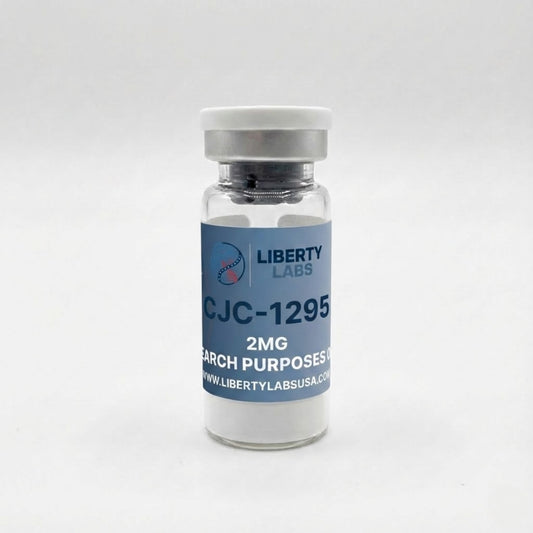
TIRZEPATIDE
TIRZEPATIDE
✔️Form: Lyophilized White Powder
✔️Purity: >99% (HPLC Verified)
✔️Storage: -20°C (Desiccated
✔️SKU: TIRZ-LYO-00X
Couldn't load pickup availability
- Free Shipping
- Easy Returns
- Secure Checkout
Chemical Makeup and Sequence
Chemical Makeup and Sequence
Chemical Makeup
- Molecular Formula: C225, H348, N48, O68
- Molecular Weight: 4813.53 g/mol
- Synonyms: LY3298176, Twincretin, GIP/GLP-1 Co-agonist
- Sequence Length: 39 Amino Acids (modified)
Research and Clinical Studies
Research and Clinical Studies
[TIRZEPATIDE] and Glycemic Control
In preclinical murine models of Type 2 Diabetes, administration of Tirzepatide has been observed to improve glycemic parameters significantly compared to selective GLP-1 receptor agonists. Studies indicate that the peptide enhances insulin sensitivity and beta-cell function. The dual activation of GIP and GLP-1 receptors is suggested to produce a synergistic effect, resulting in superior glucose handling and reduction of HbA1c levels in experimental subjects relative to single-receptor controls.
[TIRZEPATIDE] and Adiposity Regulation
Research utilizing obese rodent models has demonstrated a marked reduction in body weight following the administration of Tirzepatide. This effect is hypothesized to be mediated through centrally located receptors in the hypothalamus that regulate appetite and energy expenditure. Data suggests that the addition of GIP receptor agonism may potentiate the weight-reducing effects typically associated with GLP-1 signaling, leading to decreased food intake and increased lipid metabolism in white adipose tissue.
[TIRZEPATIDE] and Hepatic Health (NASH)
Investigations into non-alcoholic steatohepatitis (NASH) models have highlighted the potential influence of Tirzepatide on liver health. In studies involving diet-induced obese mice, treatment was associated with a reduction in hepatic steatosis (liver fat) and markers of liver injury (ALT/AST). It is proposed that the peptide’s metabolic regulatory effects may downstreamly alleviate lipotoxicity and inflammation within hepatic tissues, suggesting a potential pathway for mitigating metabolic dysfunction-associated steatotic liver disease (MASLD).
[TIRZEPATIDE] and Cardiovascular Function
Emerging research has explored the impact of dual GIP/GLP-1 agonism on the cardiovascular system. In models of angiotensin II-induced heart failure, subjects treated with Tirzepatide exhibited reduced cardiac fibrosis and hypertrophy markers (such as Col1a1 and Nppa). Furthermore, observations suggest a potential for preserved systolic and diastolic function under stress conditions, indicating that the peptide may influence signaling pathways involved in cardiac remodeling and systemic inflammation.
[TIRZEPATIDE] and Neuroprotection
Recent exploratory studies have investigated the neuroprotective potential of Tirzepatide in models of neurodegeneration, such as Alzheimer’s disease. In APP/PS1 transgenic mice, administration was correlated with reduced neuroinflammation and lowered levels of amyloid-beta plaques. The mechanism is believed to involve the regulation of brain glucose metabolism and the reduction of oxidative stress via GLP-1 and GIP receptor activation in the brain, suggesting a possible role in supporting cognitive function and synaptic plasticity.
Our Guarantee
Our Guarantee
If you're not 100% satisfied within the first 30 days, just send it back to us and we'll give you a full refund.
No need to worry about the return shipping - we've got you covered!
Shipping Policy
Shipping Policy
We offer fast and reliable shipping on all orders. You can expect to receive it within 7-12 business days based on your location.
Please contact our customer service team for assistance if you have any questions or concerns about your shipment.
Safety and Disclaimers
Safety and Disclaimers
Side Effects & Toxicology:
In animal research studies, the most frequently observed adverse effects were gastrointestinal in nature, including nausea, vomiting, and diarrhea, particularly during the dose-escalation phase. Long-term rodent carcinogenicity studies have indicated an increased incidence of thyroid C-cell tumors; the relevance of this finding to other species remains a subject of ongoing investigation. Withdrawal of the peptide in subject models has been associated with a gradual return to baseline metabolic parameters.
RESEARCH USE ONLY:
This product is strictly for laboratory research purposes only. It is not intended for human consumption, diagnostic use, or therapeutic application. This peptide has not been approved by the FDA for clinical use in humans outside of regulated clinical trials. Handling should be performed by qualified professionals using appropriate personal protective equipment (PPE).


Related Products
-
GLUTATHIONE
Regular price From $37.90Regular priceUnit price per -
 Sold out
CAGRILINTIDE
Regular price From $56.40Regular priceUnit price per -
 Sold out
IPAMORELIN
Regular price From $34.80Regular priceUnit price per -
RETATRUTIDE
Regular price From $49.20Regular priceUnit price per -
 Sold out
SERMORELIN
Regular price From $49.20Regular priceUnit price per -
 Sold out
TESAMORELIN
Regular price From $38.90Regular priceUnit price per -
 Sold out
TIRZEPATIDE
Regular price From $46.10Regular priceUnit price per -
 Sold out
5-AMINO-1MQ
Regular price $76.80Regular priceUnit price per -
 Sold out
ACETIC ACID WATER
Regular price $10.20Regular priceUnit price per -
 Sold out
BACTERIOSTATIC WATER
Regular price $8.20Regular priceUnit price per -
CJC-1295 + IPAMORELIN
Regular price $69.70Regular priceUnit price per