BACTERIOSTATIC WATER
BACTERIOSTATIC WATER
✔️CAS Number: 7732-18-5 & 100-51-6
✔️Form: Liquid Solution (Sterile)
✔️Purity: USP Grade (0.9% Benzyl Alcohol)
✔️SKU: BAC-H2O-030
Couldn't load pickup availability
- Free Shipping
- Easy Returns
- Secure Checkout
Chemical Makeup and Sequence
Chemical Makeup and Sequence
Chemical Makeup:
- Molecular Formula: H₂O (Solvent) + C₇H₈O (Preservative)
- Molecular Weight: 18.015 g/mol (Water) / 108.14 g/mol (Benzyl Alcohol)
- Synonyms: Bacteriostatic Water for Injection, Sterile Water with 0.9% Benzyl Alcohol, Prep Solvent.
Research and Clinical Studies
Research and Clinical Studies
Bacteriostatic Water and Peptide Reconstitution Stability
Research indicates that the stability of reconstituted lyophilized peptides is significantly influenced by the solvent medium. In comparative studies involving peptide hormones, solutions reconstituted with bacteriostatic water demonstrated prolonged stability profiles compared to those using standard sterile water. The presence of benzyl alcohol acts as a stabilizing agent, preventing microbial degradation which can compromise the structural integrity of sensitive amino acid sequences. This is critical for maintaining assay consistency in longitudinal studies where a single reconstituted vial is accessed multiple times.
Bacteriostatic Water and Antimicrobial Efficacy
In vitro assays have evaluated the antimicrobial efficacy of 0.9% benzyl alcohol against common laboratory contaminants, including Staphylococcus aureus and Escherichia coli. Data suggests that the preservative concentration is sufficient to inhibit logarithmic growth phases of introduced bacteria for a period of up to 28 days at controlled room temperatures (20-25°C). However, researchers note that efficacy diminishes significantly if the solution is subjected to extreme pH changes or interaction with incompatible compounds.
Bacteriostatic Water and Cellular Cytotoxicity
While essential for sterility, benzyl alcohol is not inert. Studies in varying mammalian tissue models have examined the cytotoxic threshold of benzyl alcohol. It has been observed that high-volume administration or rapid infusion of solutions containing benzyl alcohol can lead to cellular toxicity, particularly in neonates (Gasping Syndrome). Consequently, research protocols involving small animal models often restrict total injection volumes to prevent exceeding toxicological thresholds relative to body mass.
Bacteriostatic Water and Solubility Optimization
The polarity of water combined with the slight organic character of benzyl alcohol can influence the solubility of certain hydrophobic peptides. Experimental data suggests that for specific amphiphilic compounds, the inclusion of benzyl alcohol marginally improves the initial dissolution rate compared to pure aqueous solvents. This physiochemical interaction aids in achieving homogenous solutions necessary for precise dosing in spectrophotometric analysis and in vivo administration.
Our Guarantee
Our Guarantee
If you're not 100% satisfied within the first 30 days, just send it back to us and we'll give you a full refund.
No need to worry about the return shipping - we've got you covered!
Shipping Policy
Shipping Policy
We offer fast and reliable shipping on all orders. You can expect to receive it within 7-12 business days based on your location.
Please contact our customer service team for assistance if you have any questions or concerns about your shipment.
Safety and Disclaimers
Safety and Disclaimers
Potential Side Effects & Considerations:
In animal models and cellular studies, adverse reactions are generally associated with the benzyl alcohol preservative rather than the water itself. High concentrations or rapid introduction into the bloodstream may cause localized tissue irritation, hemolysis, or neurotoxicity. In murine models, excessive administration has been linked to hypotension and metabolic acidosis. It is strictly contraindicated for use in neonates or for intrathecal/epidural administration due to neurotoxicity risks.
Storage:
Store at 20°C to 25°C (68°F to 77°F). Use within 28 days of initial puncture.
RESEARCH USE ONLY This product is sold for research and laboratory use only. It is not intended for human consumption, diagnostic, or therapeutic use. All information presented here is for educational purposes based on scientific literature and does not constitute medical advice.

Related Products
-
GLUTATHIONE
Regular price From $37.90Regular priceUnit price per -
 Sold out
CAGRILINTIDE
Regular price From $56.40Regular priceUnit price per -
 Sold out
IPAMORELIN
Regular price From $34.80Regular priceUnit price per -
RETATRUTIDE
Regular price From $49.20Regular priceUnit price per -
 Sold out
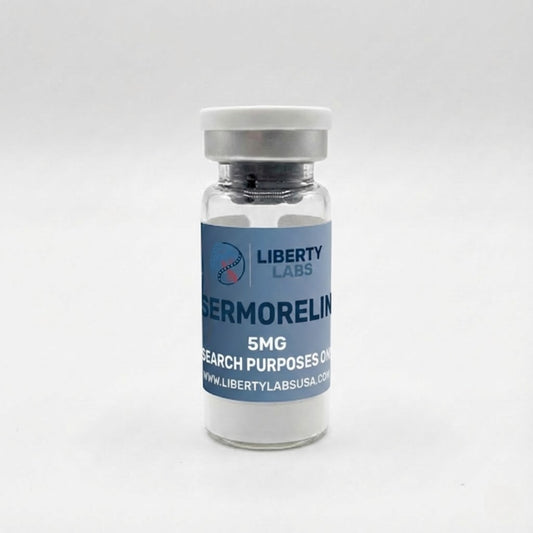
SERMORELIN
Regular price From $49.20Regular priceUnit price per -
 Sold out
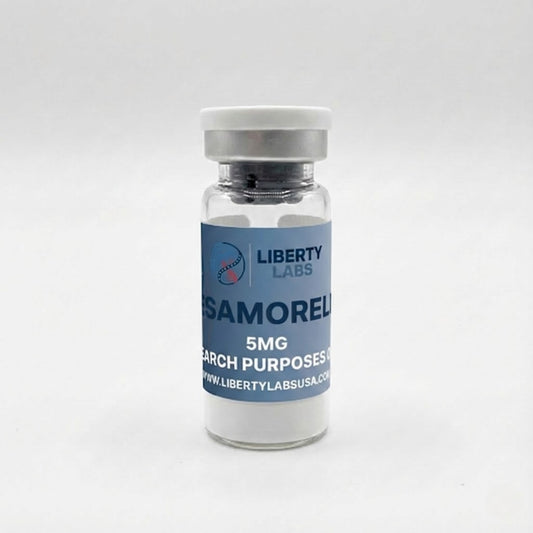
TESAMORELIN
Regular price From $38.90Regular priceUnit price per -
 Sold out
TIRZEPATIDE
Regular price From $46.10Regular priceUnit price per -
 Sold out
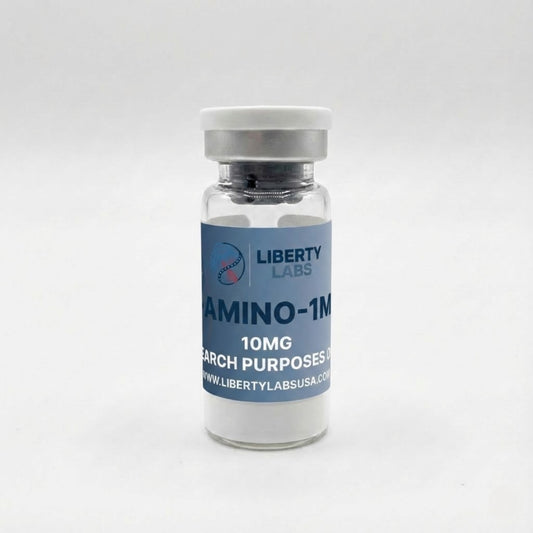
5-AMINO-1MQ
Regular price $76.80Regular priceUnit price per -
 Sold out
ACETIC ACID WATER
Regular price $10.20Regular priceUnit price per -
 Sold out
BACTERIOSTATIC WATER
Regular price $8.20Regular priceUnit price per -
CJC-1295 + IPAMORELIN
Regular price $69.70Regular priceUnit price per