BPC-157
BPC-157
✔️Cas Number: 137525-51-0
✔️Form: Sterile Filtered White Lyophilized Powder
✔️Purity: >99% (Determined by RP-HPLC)
✔️Storage: -20°C (Desiccated)
✔️SKU: PEP-BPC157-005
Couldn't load pickup availability
- Free Shipping
- Easy Returns
- Secure Checkout
Chemical Makeup and Sequence
Chemical Makeup and Sequence
Chemical Makeup:
- Molecular Formula: C62, H98, N16, O22
- Molecular Weight: 1419.5 Da
- Synonyms: Bepecin, PL 14736, PL-10, Body Protection Compound-157
Sequence:
- Gly-Glu-Pro-Pro-Pro-Gly-Lys-Pro-Ala-Asp-Asp-Ala-Gly-Leu-Val4
Research and Clinical Studies
Research and Clinical Studies
[BPC-157] and Tendon/Ligament Repair
In rodent models of Achilles tendon rupture and medial collateral ligament (MCL) injury, administration of [BPC-157] has been correlated with accelerated healing phases. Histological analysis in these studies typically reveals increased fibroblast proliferation and improved collagen fiber organization compared to controls. It is hypothesized that the upregulation of growth hormone receptors in tendon fibroblasts, mediated by [BPC-157], contributes to these observations. The peptide has been shown to counteract the deleterious effects of corticosteroids on tendon integrity in murine specimens.
[BPC-157] and Gastrointestinal Integrity
Extensive research has focused on the cytoprotective properties of [BPC-157] within the gastrointestinal tract. In models of inflammatory bowel disease (IBD) and ulcerative colitis, the peptide was observed to maintain mucosal integrity and reduce the formation of lesions. Mechanisms identified include the scavenging of reactive oxygen species (ROS) and the suppression of inflammatory cytokines such as TNF-a and IL-6. Furthermore, studies suggest [BPC-157] may mitigate damage induced by NSAIDs (non-steroidal anti-inflammatory drugs) and alcohol through the stabilization of the gastric endothelial barrier.
[BPC-157] and Neurological Function
Investigations into the neuroprotective capabilities of [BPC-157] utilize models of traumatic brain injury (TBI) and spinal cord injury. Data indicates that subjects treated with the peptide exhibit reduced cerebral edema and improved axonal regeneration. Biochemical assays suggest [BPC-157] may modulate the serotonergic and dopaminergic systems, areas often disrupted by neurotoxicity. In rat models of cuprizone-induced demyelination, preservation of myelin sheath structure has been documented, suggesting potential utility in research regarding neurodegenerative pathology.
[BPC-157] and Skeletal Muscle Regeneration
Research involving transected skeletal muscle models demonstrates that [BPC-157] application may enhance myogenesis. Outcomes measured in these studies include a reduction in fibrosis and a faster restoration of muscle function. The peptide’s influence on the nitric oxide system is believed to prevent muscle wasting (cachexia) and support the survival of myocytes under conditions of oxidative stress.
Our Guarantee
Our Guarantee
If you're not 100% satisfied within the first 30 days, just send it back to us and we'll give you a full refund.
No need to worry about the return shipping - we've got you covered!
Shipping Policy
Shipping Policy
We offer fast and reliable shipping on all orders. You can expect to receive it within 7-12 business days based on your location.
Please contact our customer service team for assistance if you have any questions or concerns about your shipment.
Safety and Disclaimers
Safety and Disclaimers
Toxicology Profile:
Preclinical toxicology studies in murine and canine subjects have reported a favorable safety profile for [BPC-157]. Acute toxicity tests did not identify a lethal dose and no significant adverse behavioral or physiological changes were noted at varying dosage levels (Xu et al., 2020). However, long-term safety data remains limited to animal models.
Research Use Only WARNING:
This product is intended for Laboratory Research Use Only. It is not intended for human consumption, diagnostic, therapeutic, or clinical procedures. This peptide is sold as a lyophilized powder for in vitro and in vivo research applications. Handling must be performed by qualified professionals using appropriate safety equipment.


Related Products
-
GLUTATHIONE
Regular price From $37.90Regular priceUnit price per -
 Sold out
CAGRILINTIDE
Regular price From $56.40Regular priceUnit price per -
 Sold out
IPAMORELIN
Regular price From $34.80Regular priceUnit price per -
RETATRUTIDE
Regular price From $49.20Regular priceUnit price per -
 Sold out
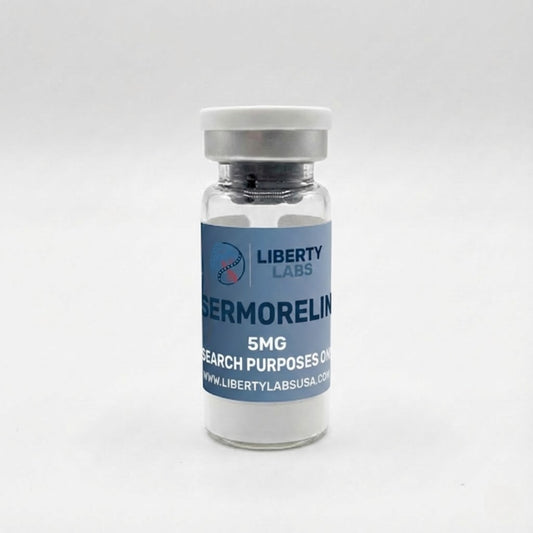
SERMORELIN
Regular price From $49.20Regular priceUnit price per -
 Sold out
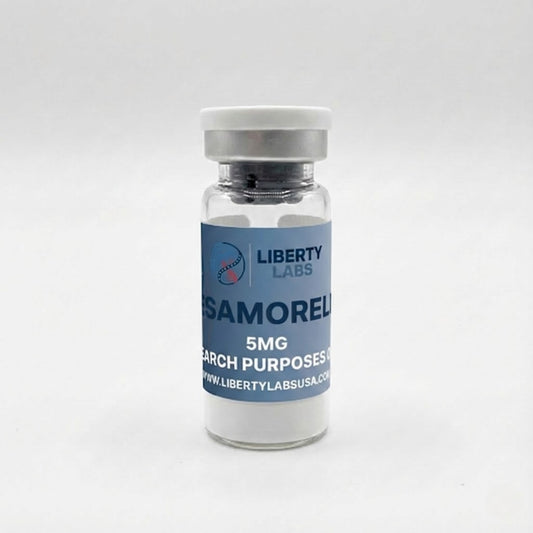
TESAMORELIN
Regular price From $38.90Regular priceUnit price per -
 Sold out
TIRZEPATIDE
Regular price From $46.10Regular priceUnit price per -
 Sold out
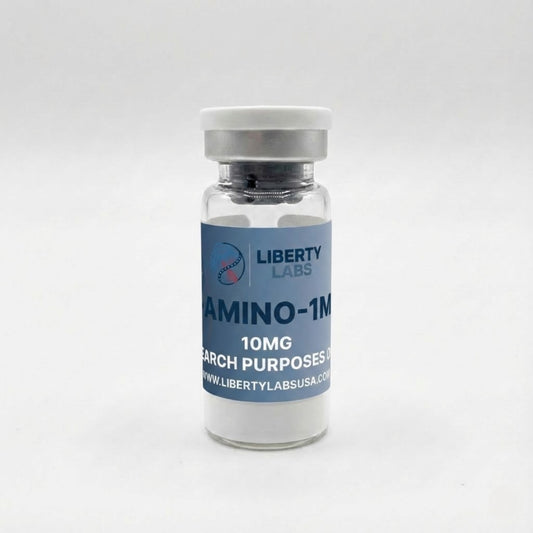
5-AMINO-1MQ
Regular price $76.80Regular priceUnit price per -
 Sold out
ACETIC ACID WATER
Regular price $10.20Regular priceUnit price per -
 Sold out
BACTERIOSTATIC WATER
Regular price $8.20Regular priceUnit price per -
CJC-1295 + IPAMORELIN
Regular price $69.70Regular priceUnit price per